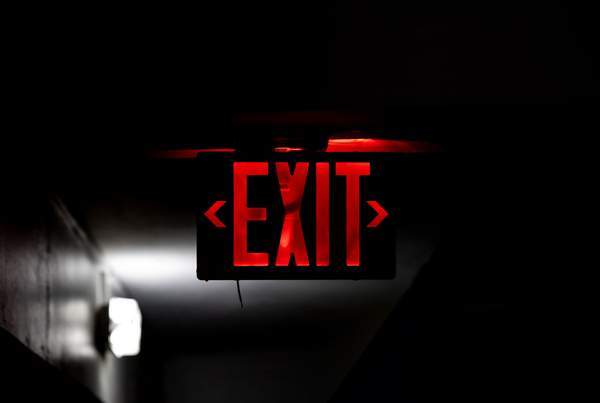
In the world of commercial real estate, compliance is the cornerstone of safety and legality. Overlooking regulatory requirements can transform seemingly simple escape routes into potential legal pitfalls. Commercial building inspections are essential for identifying compliance issues that could jeopardize both safety and financial investments. Understanding why compliance is non-negotiable can help property owners avoid costly mistakes and ensure their buildings are safe and lawful.
Understanding Compliance and Its Implications
Compliance in commercial buildings revolves around adhering to safety standards and regulations set by local and national authorities. These regulations cover a range of areas, including structural integrity, fire safety, and accessibility. For example, the International Building Code (IBC) sets comprehensive standards that buildings must follow to ensure safety. Adhering to these standards not only avoids fines but also ensures the safety of occupants.
Failure to comply with these regulations can lead to significant legal and financial repercussions. This includes fines, mandatory renovations, and even closure of the building. Therefore, it is crucial for property owners and managers to remain informed about current regulations and ensure their buildings meet all necessary standards.
The Role of Professional Inspections
Professional inspections play a critical role in ensuring compliance. Inspectors are trained to identify potential issues that may not be obvious to untrained eyes. During an inspection, professionals assess various aspects of the building, including:
- Structural integrity and safety features
- Compliance with fire safety regulations, such as fire exits and alarm systems
- Accessibility features, including ramps and elevators
By identifying these issues early, property owners can take corrective action before they become costly problems. Regular inspections also provide peace of mind, knowing that the building is safe for occupants and compliant with all relevant regulations.
Implementing Best Practices
To maintain compliance, property owners should implement a few key best practices:
- Schedule regular inspections with certified professionals to ensure ongoing compliance.
- Keep abreast of changes in local and national building codes.
- Invest in regular maintenance to prevent minor issues from escalating.
- Document all inspections and maintenance activities for future reference.
By following these practices, property owners can ensure their buildings remain safe and legally compliant.
In conclusion, compliance is not merely a regulatory hurdle but a fundamental aspect of building safety and legal protection. Professional commercial building inspections are indispensable in identifying and rectifying compliance issues, safeguarding both safety and investment. Engaging with qualified inspectors helps ensure that buildings meet all necessary standards and remain free from legal complications.