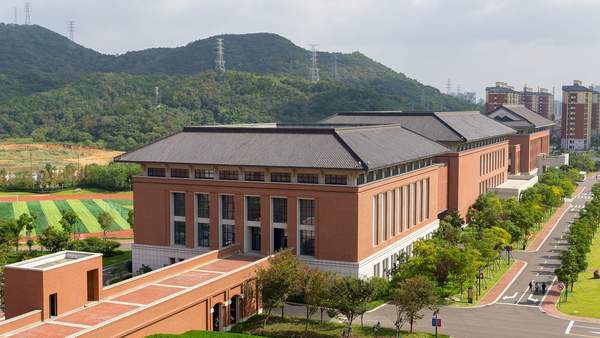
Historical commercial buildings are often celebrated for their architectural beauty and cultural significance. Yet, beneath their charming façades, these structures can harbor hidden dangers that pose serious risks to occupants and owners alike. For potential buyers and current owners of such properties, understanding these risks is crucial. As experts in commercial building inspections, we shed light on the unseen threats and how to address them effectively.
Structural Integrity Concerns
Many historical buildings were constructed with materials and methods no longer in use today. Over time, these can deteriorate, leading to compromised structural integrity. Common issues include:
- Foundation Cracks: Settlement over decades can lead to cracks, which may affect the building’s stability.
- Outdated Construction Materials: Materials like unreinforced masonry and early concrete types can weaken over time.
- Water Damage: Leaks and poor drainage can lead to structural decay.
Regular inspections can identify these issues early, allowing for timely repairs and reinforcement.
Environmental Hazards
Historical buildings often contain materials considered hazardous by today’s standards. Asbestos, lead paint, and outdated electrical systems are common culprits.
- Asbestos: Frequently used in insulation and fireproofing, it poses health risks when disturbed.
- Lead Paint: Common in buildings pre-dating the 1978 ban, it can lead to lead poisoning if not properly managed.
- Electrical Risks: Knob-and-tube wiring, prevalent in older buildings, increases the risk of electrical fires.
Compliance with modern safety standards is essential, and professional inspections can pinpoint these hazards, guiding necessary remediation efforts.
Preservation vs. Modernization
Balancing the preservation of historical features with necessary modern upgrades is a delicate task. While maintaining the building’s character is important, ensuring safety and functionality cannot be overlooked. Here are some considerations:
- Consult with preservation experts to understand what can be modified without compromising historical value.
- Explore modern materials that mimic historical aesthetics while providing enhanced performance.
- Implement energy-efficient systems that reduce operational costs without altering the building’s character.
In conclusion, historical commercial buildings present unique challenges that require specialized knowledge to address. Professional building inspections play a critical role in uncovering hidden dangers and ensuring these architectural treasures remain safe and functional for generations to come. Engaging our expertise ensures peace of mind and protects your investment.