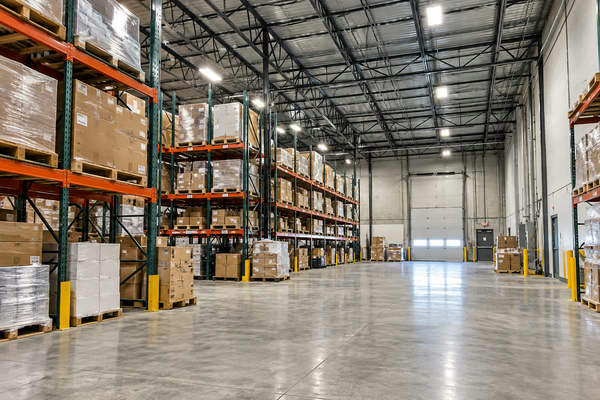
In the hustle of managing large facilities, routine maintenance tasks can often be overlooked. Preventive maintenance, however, is crucial for ensuring the longevity and efficiency of building systems. Addressing this need not only protects the investment in the property but also minimizes costly repairs and downtime. A comprehensive approach to preventive maintenance is a hallmark of well-managed buildings.
The Essentials of Preventive Maintenance
Preventive maintenance involves regular and systematic inspection, detection, and correction of incipient failures before they become major problems. For large facilities, this includes:
- HVAC Systems: Regularly checking filters, coils, and ducts ensures optimal performance and energy efficiency. Industry standards recommend quarterly inspections and servicing.
- Electrical Systems: Periodic inspections of wiring and panels are essential to prevent electrical failures. This includes checking for visible signs of wear or overheating.
- Plumbing: Inspecting visible pipes for leaks or corrosion helps avert water damage and costly repairs.
Implementing a Preventive Maintenance Plan
Developing a structured plan is critical for effective preventive maintenance. This includes:
- Inventory Assessment: Catalog all equipment and systems within the facility to establish a comprehensive maintenance schedule.
- Schedule Routine Inspections: Regular inspections by trained professionals ensure early detection of potential issues. This strategy aligns with industry best practices, providing peace of mind and operational efficiency.
- Documentation: Keeping detailed records of maintenance activities aids in accountability and future planning.
Benefits of Professional Inspections
Professional commercial building inspections play a vital role in a preventive maintenance strategy. Inspectors focus on visible, accessible components and can recommend further evaluation by specialists if necessary. This proactive approach helps in maintaining safety, efficiency, and compliance with regulations.
In conclusion, preventive maintenance is an indispensable part of managing large facilities effectively. By implementing a detailed plan and involving professional inspection services, property managers can ensure the long-term health and functionality of their buildings.